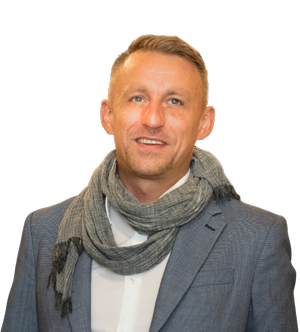
Assoc.-Prof. Priv.-Doz. Dr. Gerald Schmidinger
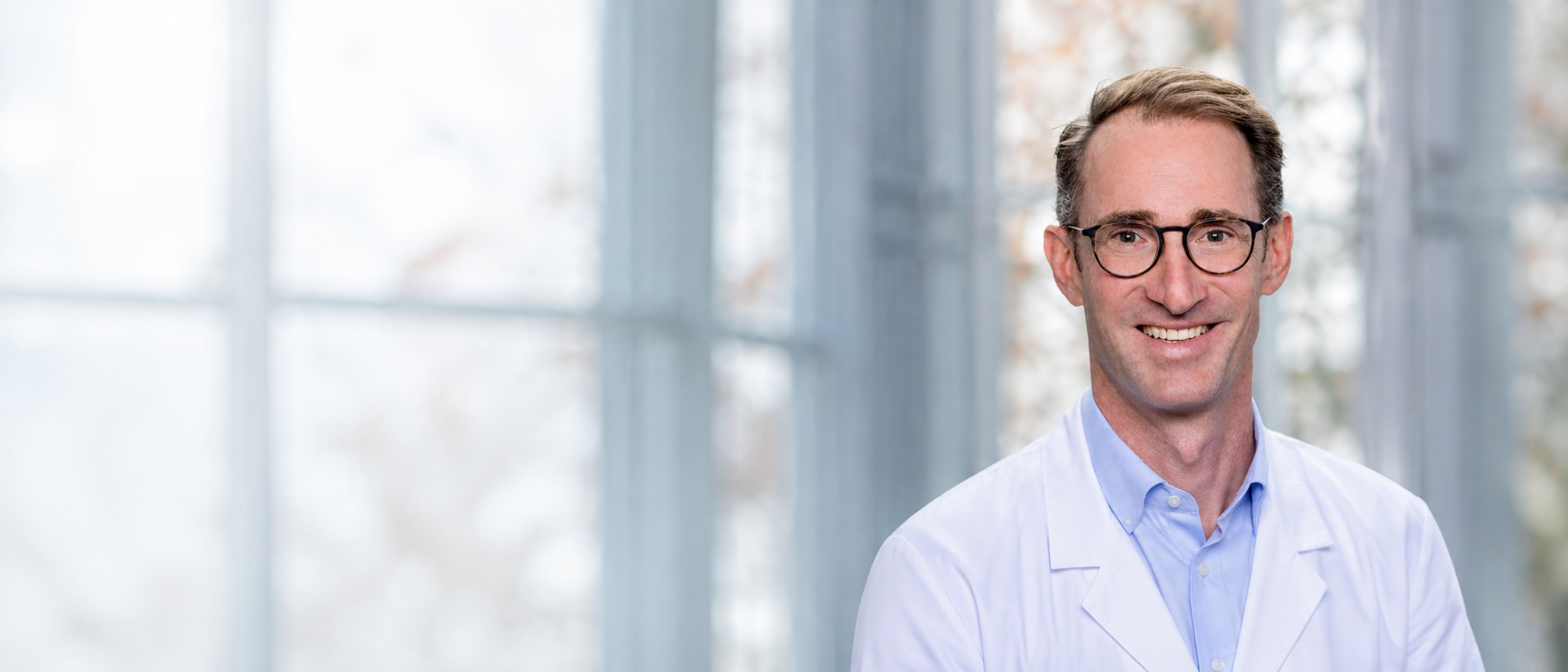
Assoc.-Prof. Priv.-Doz. Dr. Gerald Schmidinger, corneal surgeon and Deputy Head of Ophthalmology at the Medical University of Vienna, Lid Summit faculty member
The cornea is the eye's window to the world — a transparent, five-layered structure just half a millimetre thick that carries two-thirds of the eye's focusing power. When it clouds, scars, or thins, vision fails. And restoring it demands some of the most delicate surgery in all of ophthalmology.
Assoc.-Prof. Priv.-Doz. Dr. Gerald Schmidinger is one of the leading corneal surgeons in the German-speaking world. As Deputy Head of the Department of Ophthalmology and Optometry at the Medical University of Vienna — one of the largest eye clinics in Europe — and Director of the Vienna Cornea Bank, he brings world-class expertise in corneal and anterior segment surgery to the Lid Summit.
A Career at Europe's Largest Eye Clinic
Born in Salzburg, Prof. Schmidinger studied medicine at the University of Vienna and completed his specialist training at the Medical University of Vienna, becoming a board-certified specialist in ophthalmology and optometry in 2008. He completed his habilitation in 2012 and was appointed Associate Professor in 2014. For several years he worked as a consultant surgeon in Switzerland.
Today he holds several of the most significant positions in Austrian corneal medicine:
Head of the Cornea Team at the University Eye Clinic
Director of the Vienna Cornea Bank — the tissue bank supplying corneal transplants
Head of the Vienna Cornea Study Group — the department's corneal research unit
Head of the Commission of Cornea Surgery of the Austrian Society of Ophthalmology (ÖOG)
The AKH Vienna eye clinic is one of the largest in Europe, combining a major academic mission with the medical care of an entire capital city — an environment that has shaped Prof. Schmidinger into a surgeon operating at the highest volume and complexity.
“In modern corneal surgery, we no longer replace the whole cornea when we don’t have to. We replace only the layer that is diseased. That shift — from full-thickness transplantation to precise lamellar techniques — is one of the great advances of our field, and it changes everything for the patient.”
Modern Lamellar Transplantation: DMEK and DALK
Where transplantation is unavoidable, Prof. Schmidinger practises and teaches the most advanced, tissue-sparing techniques available. Modern corneal surgery has moved decisively away from full-thickness (penetrating) keratoplasty toward selective, layer-specific transplantation:
DMEK (Descemet Membrane Endothelial Keratoplasty) — replacing only the innermost endothelial layer for diseases of the corneal back surface, offering faster recovery and lower rejection rates
DALK (Deep Anterior Lamellar Keratoplasty) — replacing the front layers while preserving the patient's own healthy endothelium
The evidence base supports this evolution: studies show that DMEK offers faster visual rehabilitation and lower rejection rates than earlier endothelial and full-thickness techniques. As Director of the Vienna Cornea Bank, Prof. Schmidinger sits at the intersection of tissue preparation and surgical application — a rare vantage point in the field.
The Corneal Perspective at an Eyelid Course
Why does a corneal surgeon belong at a course dedicated to eyelid surgery? Because the eyelid and the cornea are functionally inseparable.
Every blink resurfaces the cornea with tear film. Every eyelid malposition — entropion, ectropion, lagophthalmos, ptosis — threatens the corneal surface directly, through exposure, mechanical trauma from lashes, or tear film breakdown. Eyelid surgeons who understand the cornea operate with a sharper appreciation of why their work matters: the ultimate goal of restoring an eyelid is, very often, to protect the delicate surface beneath it.
Prof. Schmidinger brings exactly this perspective. His deep knowledge of the ocular surface, corneal healing, and the consequences of surface disease gives Lid Summit participants a crucial reference point: the structure their eyelid surgery is ultimately designed to protect.
Teacher, Trainer, and Humanitarian
Prof. Schmidinger is an experienced surgical educator. He has led hands-on corneal surgery courses — including the renowned Vienna Trauma Course — trained generations of young ophthalmologists in cataract and corneal surgery, and teaches in international programmes. He has also been involved in humanitarian ophthalmic programmes in Africa, bringing surgical care to underserved regions.
From 2021 he served as President of the Viennese Ophthalmological Society (WOG), and he acts as a scientific reviewer for leading international journals including the Journal of Cataract and Refractive Surgery and Graefe's Archive for Clinical and Experimental Ophthalmology.
Conclusion
Assoc.-Prof. Priv.-Doz. Dr. Gerald Schmidinger represents corneal and anterior segment surgery at its highest level: scientifically grounded, technically advanced, and internationally taught. His leadership at Europe's largest eye clinic, his expertise in corneal crosslinking, and his mastery of modern lamellar transplantation make him an outstanding addition to the Lid Summit faculty.
For participants, his presence is a reminder that eyelid surgery never exists in isolation — it exists to serve, and protect, the remarkable transparent surface at the front of the eye.
👉 Learn more about the Lid Summit
Sources & Further Reading
Department of Ophthalmology and Optometry — Medical University of Vienna
Corneal Outpatient Clinic and Special Implant Surgery — AKH Vienna
A historical view of the development of corneal transplantation